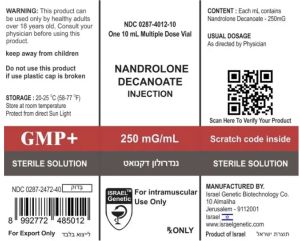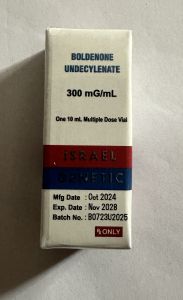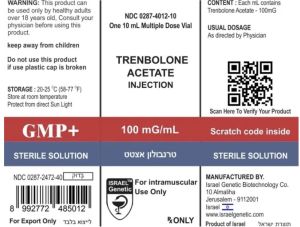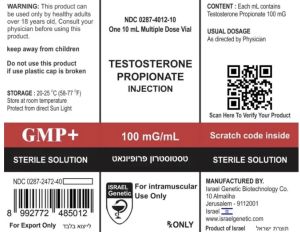
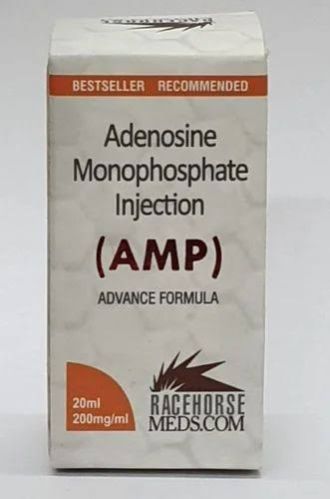


3,500.00 / Vial
Buy Now
| Business Type | Supplier, Retailer, Distributor |
| Form | Injection |
| Usage | Pharmaceuticals, Personal |
| Grade Standard | Pharm Grade |
| Click to view more | |
Product Details
Packaging Type
Bottles
Packaging Size
20ml vial
Port
Pune
Delivery Time
1-3
Adenosine monophosphate (AMP) is a nucleotide that plays a crucial role in various cellular processes, including energy metabolism and signal transduction.
\r\n\r\n
*Structure and Function*
\r\n1. *Nucleotide Structure*: AMP consists of a nitrogenous base (adenine), a sugar molecule (ribose), and a phosphate group.
\r\n2. *Energy Metabolism*: AMP is involved in energy metabolism, particularly in the regulation of AMP-activated protein kinase (AMPK), which helps maintain energy homeostasis.
\r\n\r\n
*Benefits and Uses*
\r\n1. *Energy Production*: AMP is essential for energy production in cells, particularly during times of stress or low energy.
\r\n2. *Signal Transduction*: AMP plays a role in signal transduction pathways, influencing various cellular processes.
\r\n3. *Research and Development*: AMP is used in research studies to investigate cellular metabolism, signaling pathways, and potential therapeutic applications.
\r\n\r\n
*Forms and Derivatives*
\r\n1. *Cyclic AMP (cAMP)*: A cyclic form of AMP that plays a key role in signal transduction and cellular regulation.
\r\n2. *AMP-activated Protein Kinase (AMPK)*: An enzyme that regulates energy metabolism and is activated by AMP.
\r\n\r\n
*Conclusion*
\r\nAdenosine monophosphate (AMP) is a vital molecule involved in energy metabolism and signal transduction. Its role in regulating AMPK and influencing cellular processes makes it an important area of research, with potential applications in various fields, including medicine and biotechnology.
Looking for "Racehorse AMP Injection" ?
Vial